
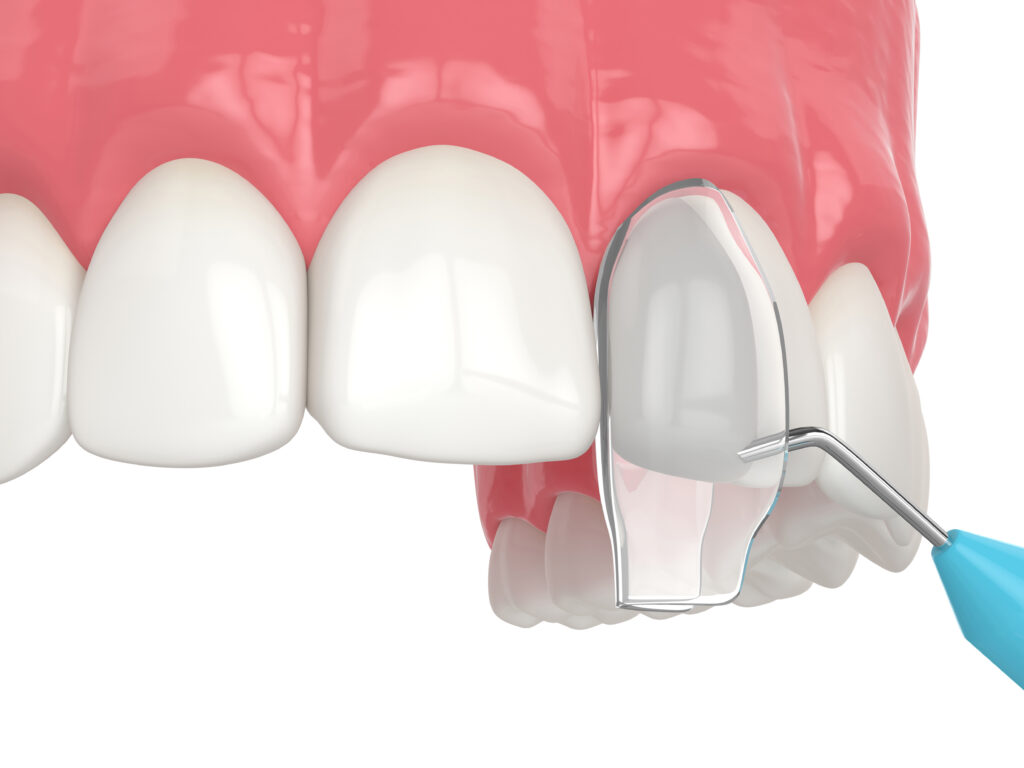
Dental bonding is one of the most conservative and affordable ways to improve the appearance of teeth while also restoring minor damage. Many patients are surprised by how quickly bonding can transform a smile without requiring extensive dental treatment. Whether you are dealing with a chipped tooth, small gaps, discoloration, or uneven edges, bonding may provide a natural looking solution with minimal preparation.
At Encinitas Family Dentistry, patients often ask what the procedure actually involves and whether it is painful or time consuming. Understanding the process ahead of time can help you feel more comfortable and confident about your treatment. If you are searching for reliable cosmetic care from experienced Encinitas Family Dentistry providers, learning the basics of dental bonding is a great place to start.
What is Dental Bonding, and Why is it Necessary?
Dental bonding is a cosmetic and restorative dental procedure that uses a tooth colored composite resin material to improve the appearance or function of a tooth. The resin is carefully applied, shaped, and polished to blend naturally with surrounding teeth. Because the material is customized to match your smile, the results can look seamless and highly esthetic.
Dental bonding is commonly recommended for patients who have minor cosmetic imperfections or small areas of structural damage. Some of the most common reasons people choose bonding include chipped teeth, worn edges, small cracks, discoloration that does not respond well to whitening, and gaps between teeth. Bonding can also be used to reshape teeth that appear uneven or slightly too short.
In some cases, dental bonding serves a restorative purpose as well. For example, it may help protect an exposed tooth root caused by gum recession or repair damage caused by cavities. Since bonding requires very little removal of healthy enamel, it is considered one of the most conservative cosmetic dentistry options available.
Many patients appreciate that dental bonding is usually completed in just one visit. Unlike veneers or crowns, which often require impressions and laboratory fabrication, bonding can typically be performed chairside in a relatively short appointment.
For patients considering cosmetic dentistry, bonding can also be a good starting point before exploring more advanced procedures. Your dentist can evaluate your goals and determine whether bonding is the right solution for your smile.
Preparing for a Dental Bonding Procedure
One of the benefits of dental bonding is that preparation is usually simple and straightforward. In many situations, anesthesia is not even necessary unless the bonding is being used to fill a cavity or repair significant damage near a nerve.
Before treatment begins, your dentist will perform a detailed examination of your teeth and gums. This may include digital X rays or photographs to ensure that bonding is an appropriate option. Healthy gums and stable teeth are important before any cosmetic procedure is performed.
Your dentist will also discuss your smile goals and expectations. Shade selection is an important part of the process because the composite resin needs to blend naturally with your surrounding teeth. Dentists use shade guides to carefully match the material to your enamel color.
Patients considering teeth whitening may want to complete whitening treatment before bonding. Composite resin does not respond to whitening products the same way natural enamel does, so whitening first can help ensure a more consistent final appearance.
It is also important to discuss habits that may affect the longevity of bonding. Nail biting, chewing ice, teeth grinding, and opening packages with your teeth can place excessive stress on the bonded area. If grinding is a concern, your dentist may recommend a nightguard to help protect your smile.
Most patients do not need extensive preparation before the appointment. Maintaining good oral hygiene, brushing and flossing thoroughly, and arriving with clean teeth are generally sufficient.
The Steps of a Dental Bonding Procedure
Understanding the actual steps involved can help patients feel more relaxed during treatment. Dental bonding is usually comfortable, minimally invasive, and relatively quick compared to other cosmetic procedures.
Initial Tooth Preparation
The procedure typically begins with gentle preparation of the tooth surface. Unlike crowns or veneers, bonding often requires little to no removal of enamel. Your dentist may lightly roughen the surface of the tooth to help the bonding material adhere more effectively.
A conditioning liquid is then applied to further improve the bond between the tooth and the composite resin.
Application of the Composite Resin
Once the tooth is prepared, the tooth colored resin material is carefully applied. The dentist gradually places and sculpts the material to achieve the desired shape and contour. This stage requires both technical precision and artistic skill because the goal is to create a result that looks completely natural.
Your dentist may shape the resin to repair chips, lengthen teeth, close small gaps, or improve symmetry. Multiple layers of composite may be used to mimic the translucency and appearance of natural enamel.
Hardening the Material
After the resin is shaped properly, a special curing light is used to harden the material. This light activates the bonding agents within the composite, causing the resin to solidify and attach securely to the tooth.
The curing process usually takes only a few seconds per layer. Once hardened, the material becomes durable enough for normal daily function.
Final Shaping and Polishing
After the bonding material is cured, your dentist will make final adjustments to the shape and bite. The tooth is then polished to create a smooth surface and natural shine.
The polishing stage is especially important because it helps the bonded tooth blend with surrounding teeth. When performed properly, many patients cannot easily tell which tooth has been treated.
Once the procedure is complete, patients can usually return to normal activities immediately.
Types of Dental Bonding Materials Used
Several different materials can be used in cosmetic and restorative dentistry, but composite resin remains the most common material for dental bonding procedures.
Composite resin is highly versatile because it can be color matched to natural enamel and shaped directly on the tooth. Modern composite materials have improved significantly over the years and now provide better durability, esthetics, and stain resistance than earlier generations.
Dentists may use different types of composite depending on the specific needs of the patient. Some materials are designed for superior strength in high pressure areas, while others prioritize translucency and polishability for front teeth.
Microfilled composites are often chosen for highly esthetic areas because they polish beautifully and create a lifelike appearance. Hybrid composites combine strength and esthetics, making them suitable for both front and back teeth.
Flowable composite materials may also be used in certain situations. These materials have a thinner consistency that allows them to adapt well to small areas or delicate repairs.
The choice of material depends on factors such as the location of the tooth, the amount of repair needed, bite forces, and cosmetic goals. Your dentist will recommend the most appropriate option for your individual case.
How Long Does Dental Bonding Last?
One of the most common questions patients ask is how long bonding will last. While bonding is durable, it is generally not considered as strong as porcelain veneers or crowns.
On average, dental bonding may last anywhere from three to ten years depending on the location of the bonded tooth, oral habits, and overall maintenance. Bonding on front teeth that experience less pressure often lasts longer than bonding on biting surfaces.
Proper care plays a major role in longevity. Patients who avoid chewing hard objects and maintain excellent oral hygiene may enjoy longer lasting results.
Routine dental visits are also important because your dentist can monitor the condition of the bonding and polish or repair minor wear before larger problems develop.
Potential Risks and Complications of Dental Bonding
Although dental bonding is considered very safe and minimally invasive, patients should still understand potential limitations and complications.
One of the main drawbacks is that composite resin is not as stain resistant as porcelain. Over time, bonded areas may discolor from coffee, tea, red wine, tobacco, or certain foods. Maintaining good oral hygiene and limiting stain causing habits can help preserve the appearance of bonding.
Bonding material can also chip or wear down under excessive force. Habits such as biting fingernails, chewing ice, or grinding teeth increase the risk of damage.
In some cases, the bonded area may require touch ups or replacement after several years. Fortunately, repairs are usually straightforward and less invasive than replacing larger restorations.
Another consideration is that bonding may not be ideal for severe cosmetic concerns or extensive structural damage. Patients with significant alignment problems, large fractures, or heavy bite forces may benefit more from veneers, crowns, or orthodontic treatment.
Despite these limitations, dental bonding remains an excellent option for many patients because it preserves natural tooth structure and delivers immediate cosmetic improvements.
Caring for Bonded Teeth After Treatment
Proper aftercare helps maximize the lifespan of dental bonding while maintaining a healthy smile.
Patients should continue brushing twice daily with a nonabrasive toothpaste and flossing regularly. Good oral hygiene prevents decay and staining around the bonded area.
It is also wise to avoid habits that place excessive stress on teeth. Using teeth as tools, biting hard candies, or chewing on pens can increase the risk of chipping.
If you participate in sports activities, wearing a mouthguard can help protect bonded teeth from trauma. Patients who grind their teeth at night may benefit from a custom nightguard to reduce pressure during sleep.
Regular dental checkups allow your dentist to monitor the condition of your bonding and professionally polish the surfaces if needed.
Is Dental Bonding Right for You?
Dental bonding works best for patients with relatively minor cosmetic concerns who want a conservative and affordable treatment option. It can dramatically improve a smile without requiring extensive dental work.
Patients who are unhappy with small chips, uneven teeth, gaps, or discoloration often appreciate the simplicity and convenience of bonding. Because the treatment is minimally invasive, many patients choose bonding as an alternative to more aggressive cosmetic procedures.
During your consultation, your dentist will evaluate your oral health, bite, cosmetic goals, and long term expectations. Every smile is different, and personalized treatment planning helps ensure the best outcome.
If you are considering cosmetic dentistry, discussing your options with experienced Encinitas Family Dentistry professionals can help you determine whether bonding is the right fit for your needs.
Dental Bonding Encinitas Patients Can Trust
Choosing the right provider matters when it comes to cosmetic dentistry. Dental bonding requires attention to detail, proper material selection, and artistic skill to create natural looking results.
Patients seeking Dental Bonding Encinitas services often appreciate procedures that are efficient, comfortable, and minimally invasive. Bonding allows many people to improve their smiles in a single visit while preserving healthy tooth structure.
At Encinitas Family Dentistry, patients receive personalized care designed to enhance both appearance and long term oral health. Whether you need a small cosmetic correction or want to refresh your smile, working with trusted Encinitas Dentists can help you feel more confident about your treatment experience and results.
If you have questions about dental bonding or would like to explore cosmetic dentistry options, scheduling a consultation is the best way to learn what treatment may work best for your smile goals.